

There is a specific, suffocating feeling that comes with midsummer in the city. You’re running between air-conditioned buildings, trapped in a polyester-blend shirt that is doing absolutely nothing to help you breathe. In moments like these, it becomes incredibly obvious that modern clothing has largely lost its connection to nature. We’ve traded tactile comfort for cheap, fast synthetics, and our wardrobes are worse off for it.
Lately, though, the fashion crowd has been quietly shifting backward. Go to any creative neighborhood or summer seaside getaway, and you’ll notice a distinct look: relaxed, textured, and slightly crumpled.
Linen is having a massive moment, but not just any linen. Designers and stylish buyers are seeking out Baltic linen—a fabric with a 4,000-year-old history that is proving to be the ultimate antidote to fast fashion.
“The goal isn’t to look perfectly ironed;
it’s about wearing a fabric that has its own life.”
The Magic of the Baltic Climate
To understand why Baltic linen feels different, you have to look at where it comes from. In Lithuania and the surrounding Baltic region, flax (the plant that becomes linen) has been cultivated since the Bronze Age. The damp, cool summers and long daylight hours are perfect for growing flax with incredibly long, strong fibers.
For generations, weaving linen was a household art in these communities. It was hard, patient work, and because of that, the fabric was treated with immense respect. A linen sheet or tablecloth wasn’t something you threw away after a season; it was an heirloom passed down to children.
Read More: How to Measure Your Space for an L-Shaped Chaise Lounge Without Getting It Wrong
That history is woven directly into the texture of the fabric today. Baltic linen has a weight, a heavy drape, and a “slubby” texture that mass-produced linen simply cannot match. It feels grounded.
Actually Sustainable, By Default
These days, every brand claims to be sustainable, but flax is one of the very few crops that is naturally eco-friendly without even trying.
It is a incredibly resilient plant. Flax doesn’t need artificial watering; it gets all the moisture it needs from natural rainwater. It doesn’t require heavy pesticides or chemical fertilizers, and it actually leaves the soil healthier than it found it.
Even better, the entire plant is used—the long fibers for clothing, the short ones for paper and rope, and the seeds for linseed oil. And because pure linen is entirely organic, it is completely biodegradable. When you’re done with it, it returns to the earth.
The Art of the Lived-In Wrinkle
For a long time, the main complaint about linen was that it wrinkles. But in a world of stiff, synthetic perfection, those wrinkles have become a badge of honor. They signal that you are wearing something real, natural, and comfortable.
Linen is also incredibly functional. Because the fibers are hollow, the fabric naturally breathes and wicks moisture away from your body. It keeps you cool when it’s hot, but when the temperature drops, it acts as a light insulator.
Read More: How Luxury Corporate Gifts Strengthen Your Brand Story in 2026
Unlike cotton or synthetics, which degrade and pill with every wash, linen gets better with age. It starts out a bit stiff and starchy, but as you wear it and wash it, the fibers break in, becoming incredibly soft and supple while keeping their strength.
How to Style It Now
The modern way to wear linen is less about beach cover-ups and more about effortless, everyday dressing.
Enter SonFre, a boutique Lithuanian brand that is keeping this slow-fashion heritage alive. Instead of mass-producing seasonal collections, they work on a made-to-order basis, hand-crafting minimalist linen pieces that are meant to last for years.

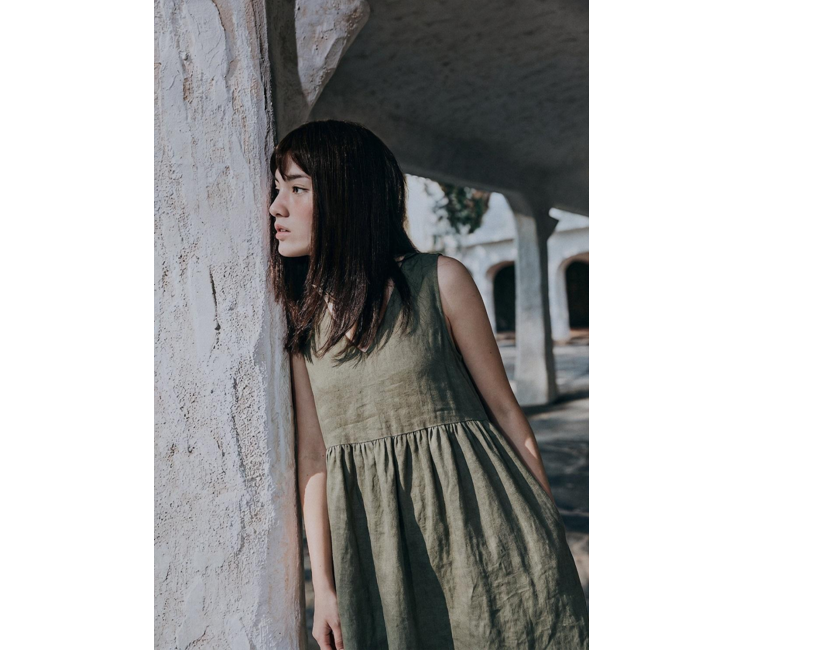
Their signature VELA linen dress is a perfect example of how to make linen look elevated for the city. It has a clean, simple silhouette that lets the natural texture of the Baltic linen do the talking. Pair it with structured leather slides and a vintage bag, and you have an outfit that looks incredibly chic without trying too hard.
If you’re looking to build a capsule wardrobe, their relaxed MINA Trousers can be worn with a simple white tank top for a quiet, understated look.
The secret to wearing linen in the city is contrast. You don’t want to look like you’re heading to the beach (unless you actually are). Balance the soft, crumpled texture of a linen piece with structured accessories—think a sharp leather belt, gold jewelry, or a structured cotton blazer.
Ultimately, the return of Baltic linen isn’t just a trend. It’s a reminder that sometimes the old ways of making things are still the best. Choosing a beautifully crafted, made-to-order linen piece is a quiet way to reject the rush of modern fashion and choose something that will only look better the more you wear it.